
Moving sounds simple: pack your stuff, load a truck, unload, unpack, but anyone who’s done it knows how easily things go wrong. Boxes collapse, items break, and you wonder how your well-planned weekend move turned into a full-week disaster.
Why do most packing efforts fall apart? Three key reasons: people run out of time, use weak or mismatched boxes, and lack a clear system.
Here’s the good news: You can pack like a pro by establishing zones, using the right materials, and following a labeling system that makes unpacking fast and simple.
What Professional Packers Optimize For (And You Should Too)
- Speed: Pros use a repeatable system that reduces guesswork.
- Protection: They prevent shifting and crushing just damage during the move, but weaknesses that affect stacking, too.
- Efficiency: They plan based on weight, box size, and overall space management.
- Unpacking: Boxes are labeled so clearly, you know exactly where each one goes the moment it’s off the truck.
Prep Before You Even Touch a Box
Declutter Using the 3-Pile Method
Before you start packing, get rid of what you don’t need. Quickly go room by room and sort items into three piles: Keep, Donate, and Trash. Decluttering first means fewer boxes, lower costs, and only moving what matters.
Measure Large Items
Make sure couches, beds, and desks will fit through doors, elevators, or stairways. This prevents time-wasting on moving day and keeps your stress level low.
Create a Packing Station
Set up a table or clear area with all core supplies: tape, boxes, scissors, markers, labels, trash bags, and a box cutter. This keeps things organized and avoids wasted energy hunting for materials.
Set a Packing Timeline
- 30-Day Plan: One room every 3–4 days; ideal for large homes.
- 14-Day Plan: Prioritize non-essentials first. Save daily-use items for the final days.
- 7-Day Plan: Get help or plan full-day packing sessions based on zones.
Supplies Pros Actually Use (And Why It Matters)
Boxes
- Small: Perfect for dense, heavy items like books or tools.
- Medium: Use for most household itemsbalanced size and weight.
- Large: Ideal for light, bulky items like linens, pillows, or clothes.
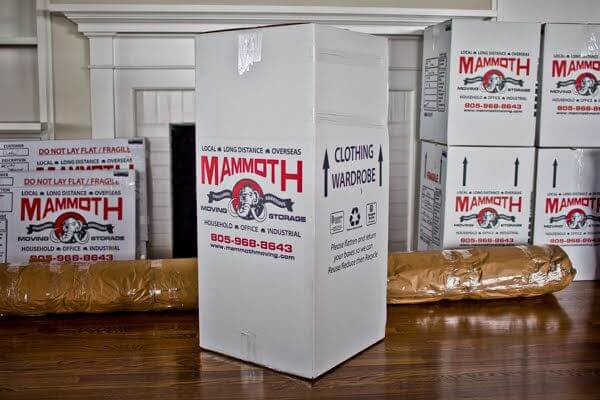
- Wardrobe Boxes: Move hanging clothes without folding.
- Dish Packs: Reinforced boxes for kitchenware.
Tape
Use heavy-duty packing tape not masking or painter’s tape. Reinforce bottoms with the H-method: tape across the seam and both outer edges.
Packing Paper, Bubble Wrap, Towels
- Packing Paper: Best for wrapping most items; clean and neat.
- Bubble Wrap: For fragile or oddly shaped breakables.
- Towels/Clothing: Multi-task as padding for fragile items.
Additional Tools
- Stretch Wrap: Wrap furniture drawers shut.
- Zip Bags: Store screws and small hardware; label them and attach to the original furniture.
- Labels: Use color stickers and bold markers. Combine with an inventory sheet or spreadsheet for real control.
Pro Packing System: Room-by-Room, Zone-by-Zone
Room-by-Room
Never mix items from different rooms in the same box unless necessary. This avoids “mystery boxes” and streamlines unpacking.
Zones
- Keep: Going with you.
- Move: To be packed.
- Donate: Gently used, no longer needed.
- Trash: Time to let it go.
Staging
Stage packed boxes in one area per room. Stack carefully, with heavier boxes on the bottom, and label each side.
Box Rules Movers Follow Every Time
- Heavy Items in Small Boxes: Protects both contents and movers’ backs.
- Limit Box Weight: No more than 40–50 lbs per box.
- Stop Shifting: Fill gaps with paper or soft items.
- Reinforce Box Bottoms: Always use the H-method with good tape.
- Liquids: Double-bag in a sealed plastic bag and keep upright.
How to Protect Fragile Items Like a Pro
- Dishes: Use the plate sandwich method plate, paper, plate. Pack upright like records in a box.
- Glassware: Wrap each item, especially stems. Fill empty space and mark “FRAGILE + THIS SIDE UP.”
- Electronics: Use original boxes or bubble wrap, photograph wiring, and protect with anti-static bags.
- TVs/Monitors: Use screen covers, secure in special boxes, and avoid setting items against the screen.
- Mirrors/Art: Use corner protectors and specialty picture boxes. Always label “Do not lay flat.”
Labeling Like a Pro
- Label 3 Ways: Room, contents, and priority (“Open First”) written on at least two sides.
- Color Code: Use stickers for each room kitchen = green, bedroom = blue, etc.
- Number Boxes: Cross-match with a digital inventory (spreadsheet or notes app).
- Special Labels: Flag boxes with “Do Not Load,” “Fragile,” and “Essentials.”
The “Open First” Essentials Kit
- Bedding, towels, basic kitchenware
- Toiletries, daily meds, chargers
- Snacks, water, and cleaning supplies
- Pet or kid essentials
- Toolkit and box cutter
Pack this last and keep it clearly marked. Take it in your car if possible.
Packing Furniture the Pro Way
- Leave clothes in drawers, but secure with stretch wrap so nothing spills.
- Remove hardware and put it into labeled zip-top bags, taped to the item.
- Padding! Use moving blankets, towels, or stretch wrap on corners/legs.
- Don’t disassemble unless necessary; it often takes more time than it saves.
Last 24 Hours: Moving Day Checklist
- Final sweep: check every cabinet, drawer, closet, and bathroom.
- Pack important documents, keys, phones, IDs, and medications separately.
- Clearly organize “carry with you” items.
- Double-check labels and loading order (heaviest items first).
Common Mistakes Pros Avoid
- Overstuffing big boxes = broken boxes and backs.
- Mixing random room items = unpacking confusion.
- Using weak or worn boxes = disaster in transit.
- No cushioning = shifting + breakage.
- Ignoring restricted items = damaged items or rejected loads.
Quick Troubleshooting Guide
- Box bottom tearing? Reinforce with extra tape; repack with less weight.
- Boxes crushing? Keep heavier boxes on the bottom and avoid stacking too high.
- Missing hardware? Always label and tape parts to the furniture.
- Broken items? Reassess padding techniques for the remaining boxes.
Pro-Level Quick Tips (Skim Section)
- Use a checklist for each room.
- Pack one room per day (or half-day).
- Start with off-season items.
- Reserve your moving truck early.
- Pack fragile items last.
- Use towels as padding.
- Photograph cable setups.
- Write “Open First” on essentials.
- Label top and front panels, not bottom.
- Use painter’s tape for wall directions/notes.
- Pre-pack suitcases with a change of clothes.
- Stack boxes by destination area (e.g., garage, kitchen).
Conclusion
From smart preparation to efficient packing systems, pros follow predictable, proven rules. If you want a smooth and low-stress moving experience, remember: declutter early, pack by room, use quality supplies, and label clearly.
Need help? Consider hiring a professional or requesting a packing consultation. A well-packed move pays for itself in time, protection, and peace of mind.